Following the Sun: Efficient Daylight Assessment Techniques


In an time where sustainability and user comfort are at the forefront of architectural design, natural light analysis emerges as a crucial tool for contemporary architects. This method not only improves the visual appeal of buildings but also is important in optimizing energy efficiency and supporting well-being. Comprehending how natural light plays within a space allows architects to create settings that are not only aesthetically pleasing but also practically effective.
As the need for green building practices grows, daylight analysis techniques provide valuable insights into how light can be leveraged effectively. Through a mixture of sophisticated simulations and practical design strategies, professionals can analyze factors such as light quality, spatial daylight autonomy, and total sunlight access. These evaluations help architects harmonize the benefits of natural light with the need for energy conservation, ultimately leading to designs that align with certification standards like LEED and Building Research Establishment Environmental Assessment Method. In this article, we will explore various daylight analysis techniques, tools, and their influence on building performance, providing a thorough guide for those looking to perfect this essential aspect of architectural design.
Grasping Daylight Assessment Techniques
Daylight analysis techniques are essential for evaluating how natural light interacts a building's design. These techniques involve a range of approaches, including metrics like Daylight Factor, Spatial Light Autonomy, and Yearly Sunlight Access. By utilizing these metrics, architects can predict natural light availability throughout the year, making sure that areas are not only adequately illuminated and comfortable and efficient.
One of the most effective strategies in natural light analysis is Weather-Based Daylight Simulation, which utilizes real climate data to project how daylight will play out over time. This method allows architects to map light distribution and its impact on occupant comfort and energy consumption. By comprehending these patterns, designers can make educated choices about window placements and shading strategies, optimizing natural light while minimizing glare and excess heat.
Finally, utilizing advanced daylight simulation tools such as Radiance Software and Climate Studio enhances precision in assessment. Such tools enable thorough evaluations of various design options, facilitating an adaptive design process that includes daylight analysis from the beginning phase. This integration not only boosts aesthetic outcomes and also contributes to a building's overall sustainability and occupant well-being.
Advantages of Daylight Analysis in Building Design
Daylight analysis offers many benefits that greatly enhance architectural design and building performance. One key benefit is the optimization of energy efficiency, as well-planned natural light solutions can reduce reliance on artificial lighting. This not only lowers electricity costs but also minimizes the building's carbon emissions. By utilizing natural light, architects can create spaces that are both visually appealing but also eco-friendly.
Another important aspect of natural light assessment is its influence on occupant comfort. Research shows that access to natural light boosts mood, productivity, and overall health. Daylight analysis helps architects design spaces that enhance exposure to sunlight, which is essential for supporting a wholesome indoor environment. By understanding factors like glare and heat gain, architects can design efficient shading systems that maintain visual comfort while improving the quality of life for occupants.
Additionally, natural light assessment plays a vital role in achieving green building certifications such as LEED and BREEAM. These certifications recognize buildings that focus on natural light and energy efficiency, thus improving their marketability and value. Incorporating natural light assessment early in the conceptual design phase enables informed decision-making regarding the building's form, window placement, and facade orientation, which eventually leads to more sustainable and functional designs.
Tools and Applications for Effective Daylight Analysis
In terms of conducting successful daylight analysis, a variety of specialized tools are accessible to architects and designers. Software like ClimateStudio, and Radiance provide solid platforms for simulating daylight conditions within a building design. Daylight Analysis Wells Somerset excels in realistic rendering, allowing for thorough analysis of light interactions in built environments. ClimateStudio, integrates with Revit, offering a intuitive interface for daylight simulations, and is particularly noted for its ability to analyze annual daylight availability. Insight, part of the Autodesk ecosystem, enables rapid evaluations of daylight performance, helping to visualize how natural light impacts the quality of spaces.
The applications of these tools extend beyond simple regulatory compliance. By employing Daylight Analysis Nailsea Somerset at multiple points of design, architects can improve energy efficiency in commercial buildings and residential spaces equally. For instance, the assessment of daylight factor and spatial daylight autonomy plays a crucial role in ensuring that spaces receive ample natural light while lessening reliance on artificial lighting. This not just leads to substantial cost savings but also enhances the occupants' general health by creating better environments.
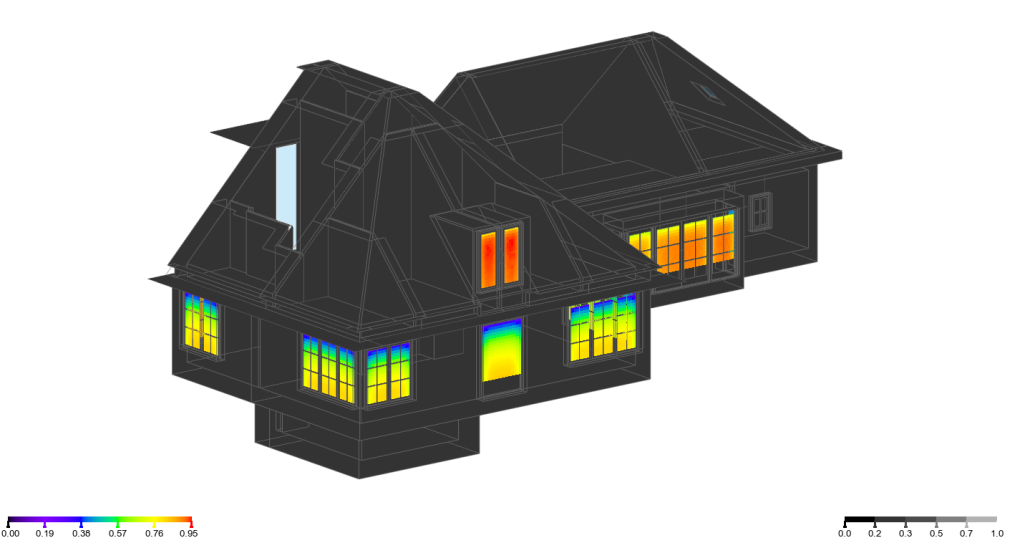
Furthermore, advanced simulations facilitate tactical decisions regarding facade orientation and window-to-wall ratios, explicitly influencing the natural light quality within environments. As urban density and potential for light blockage increase, these tools can guide architects in developing designs that respond to context-specific challenges. By integrating daylight analysis from the beginning in the design phase, professionals can achieve a harmonious balance between light, thermal performance, and aesthetic appeal, paving the way for eco-friendly and nature-inspired designs that resonate with users and nature.