Illuminating Spaces: The Technique of Sunlight Analysis


In the field of building, the importance of natural light can never be overstated. Daylight analysis has risen as a key resource for modern architects, enabling them to design spaces that enhance natural illumination while guaranteeing energy efficiency and user satisfaction. As metropolitan environments become more dense and our focus shifts toward sustainability, comprehending how to capture daylight becomes all the more important than ever. This comprehensive guide examines the different factors of light assessment, preparing architects with the insight they must have to construct better, more efficient buildings.
From the nuances of daylight factor and spatial daylight autonomy to the importance of daylight analysis in attaining green building certification, this piece dives into the approaches and technologies that can boost architecture. By looking into the impact of sunlight on power consumption, occupant well-being, and general building efficiency, we can appreciate the profound role natural light plays in molding our built environment. Accompany us as we illuminate the spaces of what's to come through the art and method of light assessment.
Grasping Daylight Analysis
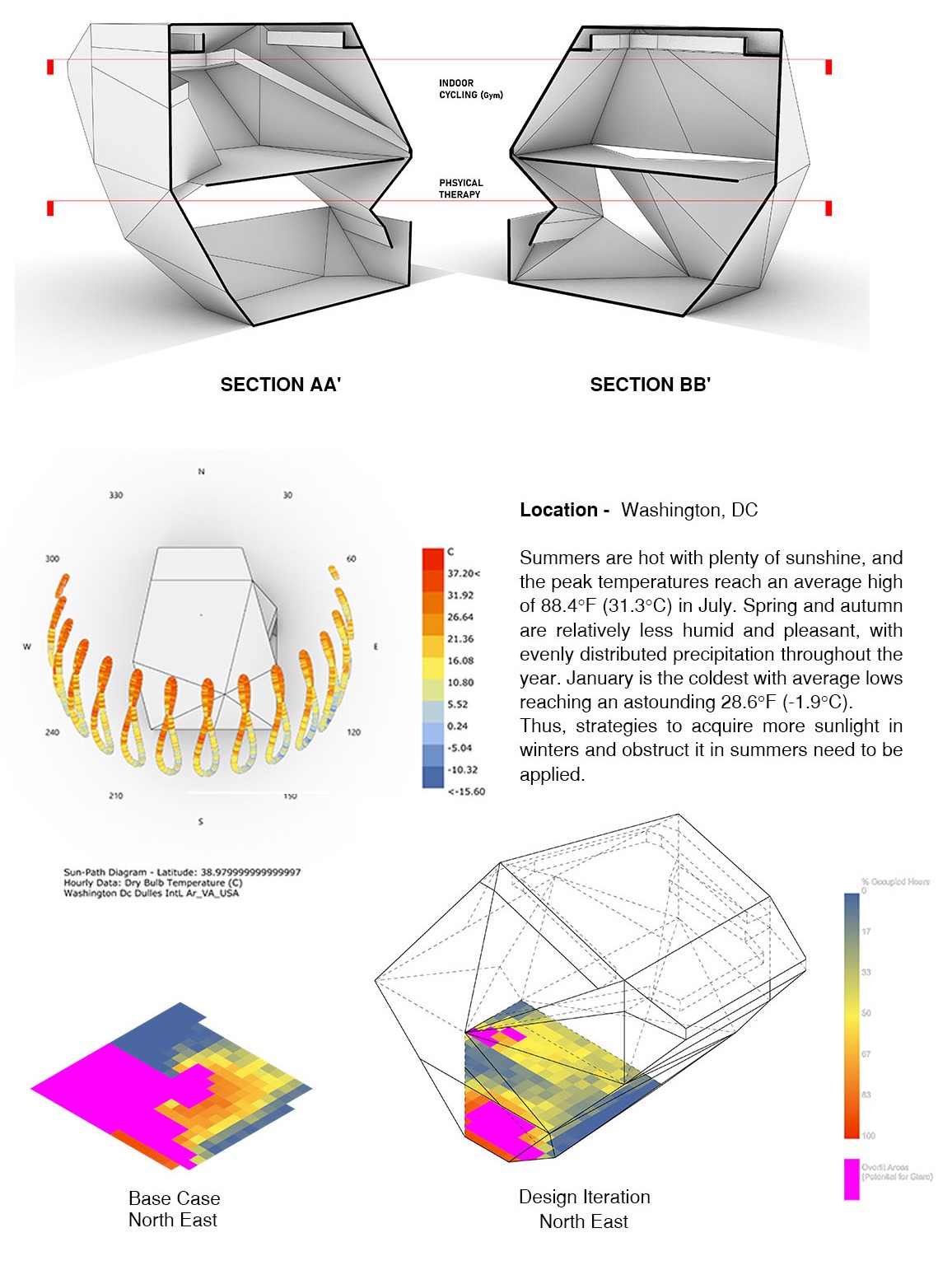
Daylight analysis is a crucial component of architectural design that centers on improving the utilization of natural light within buildings. By analyzing how daylight flows into and mingles with internal areas, designers can enhance the aesthetic appeal, practicality, and sustainability of their designs. This evaluation helps inform decisions about window positioning, surface materials, and structural orientation, ensuring that environments are illuminated and pleasant for inhabitants.
The process of daylight analysis typically includes different analysis tools and techniques to assess light access over the annual cycle. These tools allow architects to evaluate key indicators such as daylight quotient, spatial natural light autonomy, and yearly sunlight exposure. By leveraging these measurements, designers can design environments that maximize daylight while reducing dependence on man-made illumination, eventually contributing to lower energy use and running expenses.
In besides energy optimization, daylight analysis holds a important role in enhancing the well-being of occupants. Natural light has been demonstrated to improve mood, efficiency, and wellness. By integrating Daylight Analysis Yeovil Somerset into their design processes, designers can design areas that adhere to biophilic design principles and elevate the overall well-being for their users. This multifaceted approach is vital in modern architecture, where the relationship between daylight and architectural settings is gaining importance as critical to sustainable design.
Improving Structures through Natural Light
Infusing daylight analysis within the architectural design enables creators to create areas that not just fulfill visual standards but also boost functionality and occupant comfort. By understanding how daylight coexists in conjunction with building characteristics, designers can make knowledgeable judgments about the placement of windows, room orientations, and mass configuration. This method guarantees that environments are adequately lit, decreasing reliance on electric lighting during the day, thereby preserves electricity and lowers running expenses.
The use of sunlight modeling instruments offers valuable understandings into how design alternatives can maximize daylight while minimizing light glare and excessive heat. For instance, analyzing the effects of facade orientation and the selection of glass can lead to superior outcomes in terms of climate control and energy performance. By Daylight Analysis Nailsea Somerset of evaluating aspects such as light shelves and sunlight reflection optimization, designers can boost natural light entry and distribution throughout environments, resulting in a more inviting environment for inhabitants.
Moreover, a well-executed sunlight assessment contributes to eco-friendly design through supporting crucial standards like Leadership in Energy and Environmental Design and Building Research Establishment Environmental Assessment Method. These standards commend initiatives that prioritize daylight access and sustainability, helping to reduce the entire eco-footprint of buildings. Thus, creators who embrace natural light analysis merely improve the integrity of their designs but also position themselves alongside the rising demand for sustainable construction practices in the contemporary industry.
Sunlight Analysis Instruments and Techniques
Multiple tools and methods are available to facilitate efficient daylight analysis in architectural development. Top software choices include Luminance, WeatherStudio, and Insight, all providing unique capabilities tailored to various aspects of daylighting. Radiance is celebrated for its exactness in representing illumination behavior and reflected light, making it ideal for thorough analysis. ClimateStudio, on the other hand, provides a simple platform and combines effortlessly with other development tools, enabling for prompt evaluations of sunlight efficacy. Insight, part of Autodesk Revit, provides visualization features that enable architects gauge daylight impacts in real-time as they create their designs.
Additionally to software tools, methods such as Climate-Based Daylight Modeling (CBDM) improve the development process by considering seasonal changes and location-based factors. CBDM enables architects to evaluate how natural light will influence with a building throughout the seasons, maximizing sight ease for occupants. Another beneficial approach is the application of simulation to analyze metrics like Spatial Daylight Autonomy and Annual Sunlight Exposure, which provide information into how well natural light fills into inhabited spaces.
Overall, incorporating daylight analysis early in the initial planning phase is essential for enhancing advantages. This forward-thinking approach permits architects to make educated choices about structure orientation, window placement, and finish selection based on analyzed data. By utilizing a blend of contemporary instruments and methods, architects can create environments that not only utilize ambient light but also enhance user well-being and power savings.