Natural Light Assessment: Boosting Architecture with Natural Illumination


In the world of architecture, the integration of natural light has become an important component of creating areas that are both aesthetically pleasing but also practical and sustainable. Daylight analysis plays a key role in this process, allowing architects to improve natural illumination while boosting energy efficiency. As we work to design environments that care for both the occupants and the planet, understanding how to effectively harness daylight has become more important.
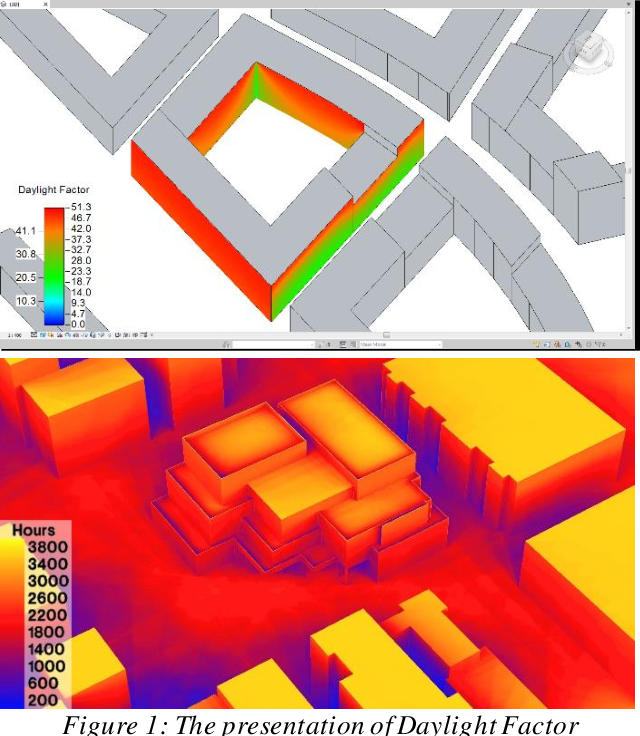
This article investigates into the multiple aspects of daylight analysis, providing a comprehensive guide for current architects. From looking into key concepts such as daylight metrics and spatial daylight autonomy to assessing the role of daylight in obtaining LEED certification, readers will gain important insights into how natural light can change design practices. Whether it's increasing daylight in living areas or assessing light pollution in cities, we will investigate the tools and techniques that enable architects to create better, more sustainable environments. Join us as we reveal the benefits of daylight analysis and its important impact on building design and occupant well-being.
Grasping Daylight Evaluation
Daylight analysis is a crucial process in architecture that examines how natural light flows into and interacts with a environment throughout different times of the 24-hour cycle and year. By modeling sunlight's behavior within a building, architects can gain insights into the effectiveness of their designs in harnessing natural light. This analysis is particularly important for creating environments that are not only aesthetically pleasing but also environmentally sustainable by minimizing reliance on man-made lighting.
The methodology behind daylight analysis includes various techniques and tools, such as natural light factor measurements, spatial daylight autonomy, and yearly light exposure. These methods help determine how much daylight reaches different areas within a building and how efficiently that light can be captured to improve the interior environment. Through https://hackmd.okfn.de/s/Hyob9N-HMl , architects are enabled to make informed decisions on opening placements, facade designs, and shading devices to maximize natural illumination.
Furthermore, the significance of daylight analysis extends beyond aesthetics and energy efficiency. It plays a crucial role in promoting occupant health by enhancing visual comfort and supporting natural body cycles. As the demand for eco-friendly design grows, architects more and more integrate daylight analysis early in the initial design phase, ensuring that buildings are not only functional but also contribute positively to the health and productivity of their users.
Improving Building Design with Natural Light
Incorporating natural light assessment within an architecture process enables a more deliberate approach to optimizing building layouts. Utilizing using methods that mimic natural light conditions, architects can pinpoint the most effective ways to incorporate daylight within their plans. Such practices facilitates them to maximize available sunlight while reducing use of artificial lighting, which can considerably lower energy costs and enhance occupant comfort.
The effectiveness of daylight analysis applies past energy efficiency. This analysis plays a vital role in ensuring that spaces are aesthetically pleasing for occupants. Through evaluating factors such as glare control and sufficient illumination, architects can create environments that encourage well-being and productivity. Furthermore, integrating such strategies helps link projects to sustainability goals and standards like LEED and BREEAM, which highlight the importance of natural light in current design.
Moreover, understanding the effect of building orientation and glazing choice is important in daylight optimization. This assessment provides valuable insights which help architects make informed decisions concerning window placements, shading devices, and facade materials, which leads to improved daylight access within the building. As a result, designs that thoughtfully leverage daylight can upgrade the overall appearance and functionality, creating richer and more inviting spaces for occupants.
Tools and Methods for Optimal Daylight Analysis
Effective natural light analysis depends on a range of instruments and strategies designed to enhance architectural planning through daylight. Advanced software like Radiance Program, Climate Studio, and Insight Program enable architects to model natural light conditions and assess their effects on interior spaces spaces. These resources enable the analysis of aspects such as daylight metrics, light autonomy, and annual sunlight exposure, offering critical information into how natural light plays with various architectural features. By leveraging these software innovations, engineers can make knowledgeable decisions that optimize both aesthetic appeal and energy performance.
In parallel to software resources, diverse strategies can boost the effectiveness of natural light evaluation. Climate-based light modeling is a prevalent such method that assesses daylight efficiency based on environmental conditions rather than simplistic worst-case cases. This technique guarantees to ensure that architectural plans not only function well in optimal conditions but can also respond to practical variations throughout the calendar year. Moreover, elements like building exterior orientation and glass selection are essential strategies in natural light evaluation, influencing how light penetrates and diffuses within a space while reducing glare.
Lastly, incorporating daylight analysis early in the planning phase is essential for getting highest results. By involving daylight simulation in the early stages of a planning process, designers can consider various architectural possibilities, including window-wall ratios and shading methods, to improve light and comfort. Daylight Analysis Wells Somerset contributes to healthier indoor environments but also connects with sustainability objectives and LEED criteria, eventually leading to developments that better serve their users and the environment.