Revamp The Dwelling: Methods to Locate a Dependable Surface Contractor


In the realm of revamping your home, picking the right flooring contractor can have all the effect in realizing the wanted look and practicality of your space. Whether you are planning a complete remodel or just upgrading your floors, finding a dependable contractor is important. With so many options available, it can be overwhelming to figure out who will offer the best service, quality materials, and expert craftsmanship.
To help direct your decision process, this article will examine key questions to ask prospective flooring contractors and noteworthy considerations to consider. From comprehending the importance of subfloor preparation to recognizing the worth of a contractor’s portfolio, we will provide insights that will enable you to make knowledgeable choices. Additionally, we will delve into the newest trends and technologies in flooring, guaranteeing you are equipped to select a contractor who can bring your vision to life while staying within your budget and time frame.
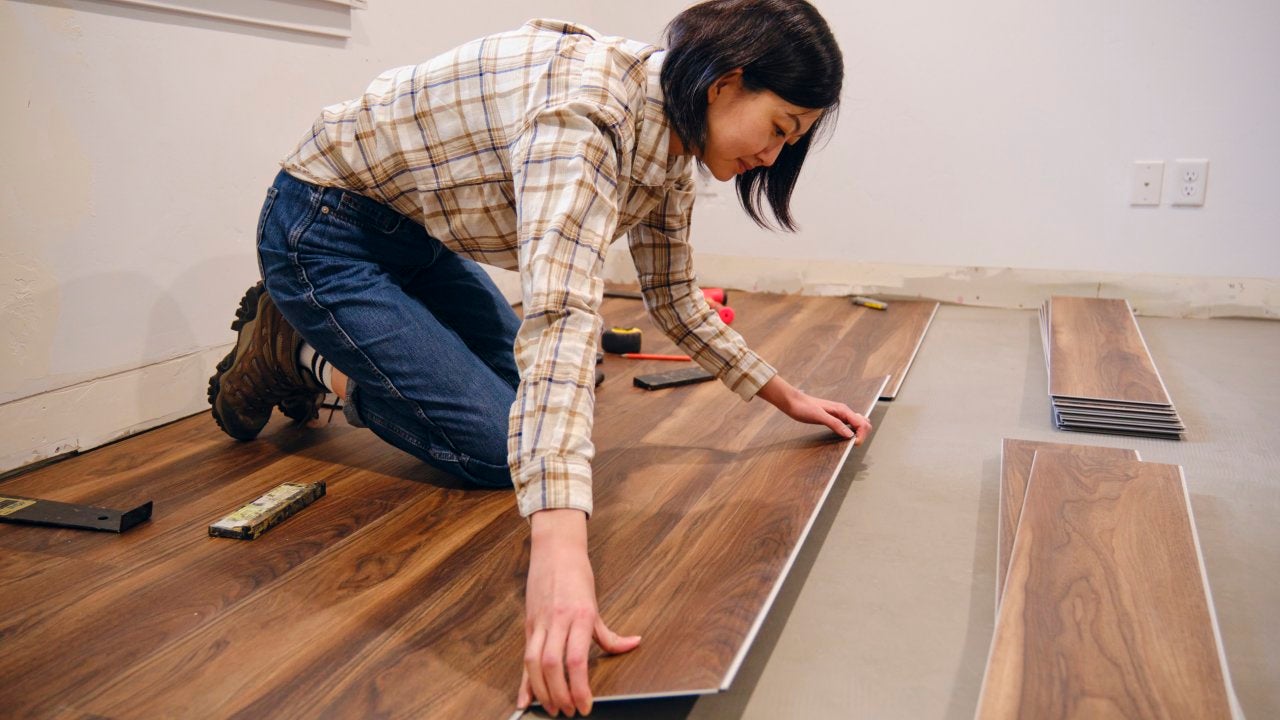
Key Questions for Hiring Flooring Contractors
As you searching for a flooring contractor, it's essential to ask thorough questions to ensure you select the right professional for your project. Start with their background and skills. Ask about how long they have been in business and the varieties of flooring installations they specialize in. Understanding their background will help you assess whether their skills align with your specific needs, whether it's hardwood, ceramic, or bespoke flooring solutions.
Next, discuss their portfolio and previous work. Request to see examples of past projects that demonstrate their design aesthetic, attention to detail, and quality of craftsmanship. Reviewing a contractor’s portfolio allows you to gauge their ability to execute projects that meet both structural and aesthetic standards. Don’t be afraid to request references from previous clients, as this can offer insight into their reliability and professionalism.
Finally, it’s important to review cost and contract details. Ensure you clarify how they price their services, what is part of the estimate, and the timeline for completion. Asking how they handle potential changes during the project can also prevent misunderstandings later. A reputable contractor should clearly outline the scope of work, materials to be used, and any warranty information. These conversations will pave the way for a smooth collaboration throughout your flooring project.
Evaluating Contractors Portfolios
When evaluating a flooring contractor's collection, it is important to look past the surface appearance and evaluate the structural integrity and aesthetic quality of completed projects. Start by examining a variety of their historical work. Effective contractors are expected to exhibit a wide range of styles, materials, and details, indicating their flexibility and capacity to adapt to diverse settings. Look for projects similar to yours in size to better understand their approach and execution.
Next, pay close attention to the specifics in their collection. High-quality pictures should reveal the precision of installations, including how well joints are aligned and coatings are applied. This level of detail reflects the contractor's commitment to quality work. Furthermore, consider Amtico Flooring Farndish and after shots if available—these can provide insight into the contractor’s capability to change spaces successfully. In addition, asking about specific issues encountered and how they were managed can provide a better perspective of their problem-solving skills.
Finally, check the overall aesthetic coherence of the projects. A solid portfolio should convey a uniform design aesthetic that aligns with current trends and the most recent technologies in flooring. Look for indications of innovative methods and modern materials used in the installations. This not only shows the contractor's expertise of the industry but also their capability to combine strength with aesthetic quality, which is crucial for luxury projects.
Common Mistakes in Business Floor Covering Projects
One of the greatest key mistakes made in corporate flooring jobs is poor subfloor preparation. Numerous contractors underestimate the necessity of addressing moisture levels and leveling issues before installation starts. This neglect can lead to a host of problems, including bowing, buckling, and an overall diminished lifespan of the flooring. Proper subfloor preparation not only ensures a reliable foundation but also helps in avoiding costly repairs in the future.
A further, common mistake is failing to coordinate with other trades involved in the project. Flooring contractors should be in regular communication with mechanical and electrical teams to coordinate schedules and tasks. A lack of coordination often results in delays, as flooring installation may need to be delayed if other work isn't completed on time. This can lead to extended project timelines and increased costs, impacting both contractors and clients.
Finally, overlooking the importance of specific project specifications and scopes of work can create confusion and complications. Without concise guidelines, misunderstandings about materials, timelines, and design intent can arise. This can result in unexpected costs or project delays, particularly when custom elements are involved. Ensuring that all stakeholders understand the scope and have confirmed their roles and responsibilities is crucial for the successful execution of the work.